Medically reviewed by Dr. Priyesh Naik, Consultant, M.S. DNB, FMAS
Disclaimer: The information provided in this article is for educational purposes only and should not replace professional medical advice, diagnosis, or treatment. If you or a loved one are experiencing a medical emergency or severe withdrawal symptoms, seek immediate medical attention.
There is a specific, heavy kind of silence that follows the moment you finally stop negotiating with yourself. Maybe you spent weeks scanning the 10 early signs of alcohol addiction and realized, with a sinking feeling, that you checked more than a few boxes.
That moment of clarity is a massive hurdle, but it’s also a strange middle ground. You’ve identified the fire, but you haven’t yet reached for the extinguisher. It’s easy to get stuck here, paralyzed by the scale of the change required. However, the first 48 hours following this realization are the most critical for turning a “thought” into a lifestyle change.
The Immediate Environment Audit
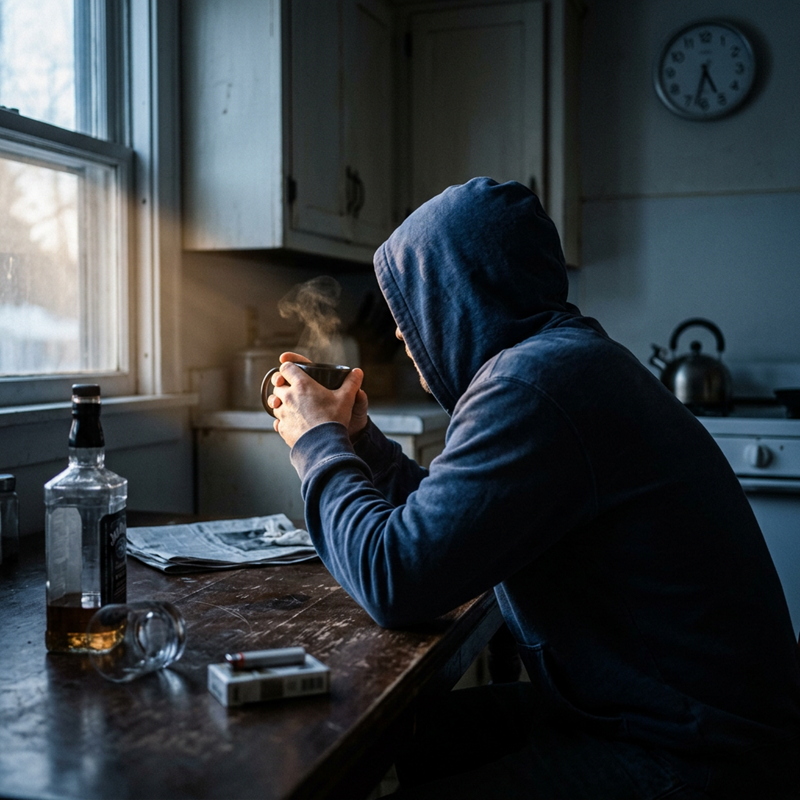
Before diving into grand life overhauls, start with the physical reality of your home. Alcoholism thrives on accessibility and the “path of least resistance.” If you have to drive to a store to get a drink, you have ten minutes to change your mind. If it’s in the pantry, you only have three seconds.
Clearing the house isn’t about a dramatic show of willpower; it’s about logistics. You are trying to give your brain a few extra moments to make a better choice when the evening craving hits. If you share a home, this is the time for a difficult but necessary conversation with those you live with. Accountability starts at the front door.
Why You Shouldn’t “White-Knuckle” Alone
The most dangerous mistake people make after recognizing an addiction is attempting to quit cold turkey without a plan. Alcohol is one of the few substances where withdrawal can be physically dangerous, not just uncomfortable.
The transition from recognizing a problem to solving it usually requires a comprehensive alcohol rehabilitation program. Professional help provides a safety net that covers both the physical detox and the mental rewiring. Specifically, many find success with Cognitive Behavioral Therapy (CBT). CBT works by helping you identify the “trigger-thought-action” loop, teaching you how to intercept the urge to drink before it becomes an impulse you can’t control.
Recognizing Withdrawal: When to Call for Help
As your body begins to process the absence of alcohol, you need to be observant. It’s not just “feeling hungover.” There are specific milestones of withdrawal that require immediate medical intervention. If you notice symptoms escalating, do not wait.
| Timeline | Potential Symptom | Severity |
|---|---|---|
| 6–12 Hours | Mild tremors (the shakes), anxiety, nausea, insomnia | Moderate |
| 12–24 Hours | Visual, auditory, or tactile hallucinations | High |
| 24–72 Hours | Seizures or Delirium Tremens (DTs), confusion, high fever | Emergency |
Rebuilding Your Social Baseline
You might need to be “boring” for a while, and that’s perfectly okay.
Early recovery often requires a temporary retreat from the places and people that make drinking feel like a requirement. If your social life is built entirely around bars or “happy hours,” those friendships will feel strained. It’s painful to realize, but protecting your progress is the priority right now.
Start looking for “low-stakes” environments. A morning hike, a coffee shop, or a cinema—places where alcohol isn’t the centerpiece. You are essentially re-learning how to exist in the world without a glass in your hand.
Small Wins Over Decades
Don’t worry about being sober for the next thirty years today. That thought is exhausting and usually leads to a relapse because the finish line feels too far away. Focus on the next few hours. Then the next day.
If you’ve recognized the signs, the hardest part—the denial—is behind you. The path forward isn’t a straight line, but it is much clearer once you stop pretending the problem doesn’t exist. Now is the time to reach out, use the tools available, and take the first real step toward a life that doesn’t require a drink to feel manageable.