Key Takeaways
- Life after rehab needs structure, support, and continued professional care.
- Relapse usually begins before substance use, through emotional and behavioural warning signs.
- Aftercare may include counselling, psychiatrist follow-ups, family therapy, support groups, and medication when prescribed.
- Families can support recovery best through calm involvement, healthy boundaries, and early action.
- Relapse is not the end of recovery. It is a sign that the treatment plan may need to be reviewed or strengthened.
Coming home after rehab can feel like a fresh start. The person may look healthier, speak with more clarity, and feel hopeful again. Families often feel relieved too. But this stage can also be emotionally delicate.
Inside rehab, life has structure. There are fixed routines, therapy sessions, medical supervision, limited access to triggers, and people who understand addiction recovery. Outside, the person returns to everyday life — work pressure, family expectations, old friends, emotional stress, and sometimes the same places where substance use once felt normal.
That is why recovery does not end with discharge. Rehab is an important step. Life after rehab is where recovery has to be protected.
According to the National Institute on Drug Abuse, relapse rates for substance use disorders are around 40–60%, similar to relapse rates seen in other chronic health conditions. NIDA also explains that relapse does not mean treatment has failed; it may mean the treatment plan needs to be restarted, changed, or strengthened.
Why Aftercare Matters After Rehab
Aftercare is the support plan that continues after residential treatment. It may include counselling, psychiatrist follow-ups, support groups, family therapy, medication when prescribed, and regular check-ins with addiction professionals.
For many people, the first few months after rehab are the most vulnerable. Cravings may return suddenly. Sleep may become disturbed. Emotional pain may come back once the person is no longer in a protected environment. This is why ongoing support is not optional. It is part of treatment.
SAMHSA defines recovery as a process of change through which people improve their health and wellness, live self-directed lives, and work toward their full potential. In simple words, recovery is not only about stopping alcohol or drugs. It is also about rebuilding a life that feels stable enough to live without them.
The CDC also notes that recovery from substance use disorder may involve medication to help with cravings and withdrawal, different forms of therapy, and in some cases, rehabilitation support.
If the person has recently completed structured care, this guide on why inpatient rehab works best can help families understand why supervision, routine, and a safe environment are so important in the early recovery stage.
Early Warning Signs of Relapse
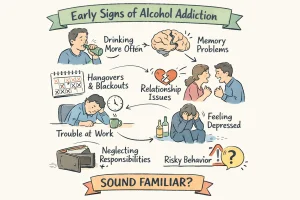
Relapse usually starts before the actual use of alcohol or drugs. It often begins quietly, through thoughts, emotions, and small behaviour changes.
A person may start skipping follow-up sessions. They may avoid honest conversations, sleep poorly, become irritated, isolate themselves, reconnect with old using friends, hide money, or become overconfident. Sometimes they may say things like, “I am fine now, I do not need support,” or “Just once will not matter.”
These signs are not reasons to panic. But they are reasons to act early.
Emotional Warning Signs
A person may become withdrawn, restless, angry, unusually quiet, or emotionally numb. They may stop sharing what they are feeling. They may also start carrying guilt or shame silently.
Behavioural Warning Signs
Missed therapy sessions, sudden secrecy, irregular sleep, poor hygiene, unexplained spending, and reconnecting with old substance-using circles can all be warning signs.
Mental Warning Signs
The person may begin romanticizing old habits, minimizing the damage addiction caused, or believing they can use alcohol or drugs “in control” this time.
Common Relapse Triggers After Rehab
Triggers are different for every person. For some, it may be stress. For others, it may be loneliness, anger, old friends, money problems, guilt, relationship conflict, or boredom.
Sometimes even success can become a trigger. When life starts improving, a person may lower their guard and think they no longer need support. This is when aftercare becomes even more important.
The goal is not to avoid every difficult emotion. That is impossible. The goal is to notice risk early and respond safely.
For alcohol recovery, aftercare needs extra attention because alcohol is socially available and often normalized. Weddings, parties, office gatherings, and even casual family events can become high-risk situations. Families can understand the treatment journey better through this article on professional alcohol addiction treatment.
Building a Routine That Protects Recovery
A strong daily routine may sound simple, but it can protect a person from many risky moments.
Waking up at a fixed time, eating properly, staying physically active, attending therapy, avoiding long empty hours, and staying connected with safe people can make recovery more stable. Addiction often grows in secrecy and isolation. Recovery becomes stronger when the day has rhythm, accountability, and purpose.
Therapies such as Cognitive Behavioural Therapy, motivational counselling, relapse prevention planning, group therapy, and family counselling may help a person understand triggers and respond before cravings become dangerous.
Research on continuing care for substance use disorder shows that ongoing recovery support can help improve outcomes and support faster re-entry into treatment if relapse occurs.
30-Day Aftercare Checklist After Leaving Rehab
| Week | What to Focus On | Why It Matters |
|---|---|---|
| Week 1 | Schedule follow-up counselling or doctor review Remove alcohol, drugs, or risky contacts from the environment |
Keeps professional support active immediately after discharge and reduces early relapse risk. |
| Week 2 | Create a fixed daily routine for sleep, meals, therapy, and activity Identify top 5 personal triggers |
Reduces empty time, builds stability, and helps the person prepare instead of reacting suddenly. |
| Week 3 | Attend family counselling or a family recovery discussion Build a clear craving response plan |
Rebuilds communication and boundaries while giving practical steps when urges appear. |
| Week 4 | Review progress with a counsellor or addiction specialist | Helps adjust the aftercare plan before risk increases. |
How to Rebuild Trust with Family After Rehab
Family support should be calm, not controlling.
Constant suspicion can make the person feel trapped. But complete silence can also be risky. The better path is balanced support: listen carefully, maintain boundaries, encourage therapy, observe behaviour, and speak up early when something feels wrong.
Trust will not return in one day. Addiction may have damaged relationships, finances, and emotional safety. Healing takes consistency. A person in recovery rebuilds trust through daily actions, not promises alone.
Families should also avoid using shame as a tool. Statements like “You ruined everything” or “We can never trust you again” may push the person deeper into guilt.
Practical Ways Families Can Rebuild Trust
Start with small, clear expectations. Keep communication honest but not aggressive. Avoid checking, blaming, or interrogating all the time. Instead, agree on simple recovery-supporting habits: attending follow-ups, sharing risky feelings early, maintaining financial transparency where needed, and avoiding old triggers.
If the family feels confused, angry, or emotionally tired, family counselling can help. Addiction affects the whole home, not only the person who used substances.
Long-Term Recovery: What Happens After 1 to 5 Years?
The first 30 to 90 days after rehab are important, but recovery does not stop there. Long-term recovery is built over years.
In the first year, the focus is usually on stability: avoiding relapse, attending follow-ups, repairing relationships, and rebuilding daily life. After one year, many people begin working more deeply on purpose, career, health, social connection, and emotional maturity.
Between years one and five, the person may feel stronger, but support should not completely disappear. Stress, grief, financial pressure, relationship conflict, or sudden life changes can still increase relapse risk.
Long-term recovery is not about living in fear. It is about staying aware. The person learns what kind of life protects their sobriety — and what kind of life slowly pulls them back toward risk.
What If Relapse Happens?
Relapse should be taken seriously, but it should not be treated as the end of recovery.
It means the current plan needs review. Maybe therapy needs to become more frequent. Maybe the person returned to stress too quickly. Maybe the home environment is not supportive enough. Maybe old triggers came back before the person was ready. Maybe medical supervision is needed again.
Step-by-Step Action Plan After Relapse
- Stay calm and make the person safe. Avoid shouting, blaming, or threatening. First, check if the person is physically safe.
- Do not hide or ignore the relapse. Silence can make relapse worse. Speak to a counsellor, doctor, or rehab professional as early as possible.
- Identify what triggered it. Was it stress, loneliness, old friends, alcohol availability, money pressure, or emotional pain? The trigger needs to be understood clearly.
- Restart or strengthen the aftercare plan. The person may need more frequent counselling, medical review, family therapy, or structured care again.
- Seek urgent medical help if needed. If relapse involves heavy alcohol use, opioids, sedatives, multiple substances, suicidal thoughts, confusion, seizures, or overdose symptoms, families should not try to manage it casually at home. Medical help may be urgent.
This article on safe detox from drugs explains why withdrawal and detox should be handled under professional supervision.
When Professional Help Is Needed Again
Professional help should be considered if cravings become frequent, relapse has already happened, withdrawal symptoms appear, mental health worsens, or the person starts returning to old high-risk behaviours.
Second Street Rehabilitation Centre offers addiction treatment support, detoxification, family support, and aftercare-related guidance for people dealing with alcohol and drug addiction in Mumbai and Thane. You can also explore Second Street’s de-addiction treatment page for more information on structured addiction recovery support.
You Are Not Alone
Recovery can feel lonely after rehab, especially when people expect everything to become normal immediately. But healing takes time. Some days will feel strong. Some days will feel heavy. Both are part of recovery.
If you or your loved one is struggling after rehab, speaking with a qualified addiction specialist can make a real difference. Reach out to Second Street Rehabilitation Centre for confidential help and guidance.
Life after rehab is not about becoming perfect. It is about staying prepared — for cravings, emotional setbacks, difficult days, and moments when old habits try to return.
Long-term recovery is possible. But it needs structure, medical guidance, family support, honesty, and the courage to ask for help before things become dangerous again.
FAQs
How long does aftercare continue after rehab?
Aftercare duration depends on the person’s addiction history, mental health, relapse risk, family environment, and progress after treatment. Some people may need structured support for a few months, while others benefit from long-term counselling or recovery check-ins. The goal is not to keep the person dependent on treatment forever. The goal is to slowly build enough stability, awareness, and support for independent recovery.
Is relapse a failure?
No. Relapse is not a moral failure. It is a warning sign that the recovery plan may need to be strengthened, restarted, or changed with professional help. NIDA explains that relapse can mean treatment needs to be adjusted, similar to how treatment plans are adjusted for other chronic health conditions.
Can family members prevent relapse?
Families cannot fully control recovery, but they can support it in powerful ways. They can encourage follow-ups, maintain healthy boundaries, reduce conflict, notice warning signs early, and help the person stay connected with professional care. Families should avoid both extremes: constant suspicion and complete silence. Balanced support works better.
What are the early signs of relapse after rehab?
Common early signs may include isolation, missed therapy sessions, poor sleep, irritability, dishonesty, overconfidence, reconnecting with old using friends, and avoiding family conversations. Some people may also start minimizing the seriousness of addiction or saying they no longer need support. These signs should be addressed early, before substance use happens again.
What should I do in the first 30 days after leaving rehab?
The first 30 days should focus on structure and support. Schedule follow-up counselling, avoid old triggers, create a stable daily routine, stay connected with safe people, and involve family in recovery planning. This is also the right time to identify personal relapse triggers and make a clear craving response plan. Do not wait for a crisis before asking for help.
How do I handle cravings when I’m stressed or lonely?
Cravings often become stronger during stress, loneliness, anger, or boredom. When cravings appear, avoid isolation and speak to someone safe immediately — a counsellor, family member, sponsor, or recovery support person. Change your environment, delay the urge, drink water, go for a walk, practice slow breathing, or attend a support session. If cravings become frequent or difficult to control, contact an addiction professional.
When should someone contact a rehab centre again?
A rehab centre or addiction professional should be contacted if cravings become difficult to manage, relapse happens, withdrawal symptoms appear, mental health worsens, or the person starts returning to old high-risk behaviours. Families should also seek help if they feel unsure how to respond. Early action is safer than waiting until the situation becomes severe.
Important Medical Disclaimer
This article is for general educational awareness only. It is not a substitute for medical advice, diagnosis, emergency treatment, psychiatric care, detox supervision, or rehabilitation planning by a qualified healthcare professional. Addiction, withdrawal, relapse risk, medication needs, and mental health conditions differ from person to person. Always consult a qualified doctor, psychiatrist, addiction specialist, or licensed rehabilitation professional before making treatment decisions. If someone has severe withdrawal symptoms, overdose signs, suicidal thoughts, seizures, confusion, chest pain, breathing difficulty, violent behaviour, or any immediate medical risk, seek emergency medical help immediately.

Reviewed & Approved By
Dr. Priyesh Naik – Consultant, M.S. DNB, FMAS
Consultant Surgeon | Addiction Medicine & Post-Rehabilitation Care
Reviewed for medical accuracy in May 2026