Why Inpatient Rehab Offers the Highest Success Rates for Lasting Recovery
Choosing to seek help for substance use disorder is a serious decision. For many people, it does not come quickly. Once that step is taken, the next question becomes critical: what type of treatment actually works?
Outpatient programs offer flexibility. That is true. But when you look at real recovery patterns over time, inpatient rehabilitation consistently provides a stronger and more stable foundation.
This is not just about removing access to substances. It is about changing the environment in which the addiction has been surviving. For those seeking specialized care, programs like inpatient alcohol rehab or inpatient drug rehab offer the focused attention needed during this transition.
For individuals dealing with severe dependency or repeated relapse, this level of care is not optional. It is necessary.
Understanding Addiction: Why Environment Matters More Than Willpower
Addiction is often misunderstood as a lack of discipline. In reality, it is a condition that affects how the brain processes reward, stress, and decision-making.
This is why environment matters.
- Familiar places linked to past substance use
- Social circles that normalise the behaviour
- Ongoing stress from work or family
Outpatient care leaves a person inside that same environment. Nothing really changes around them. Inpatient rehabilitation changes that immediately.
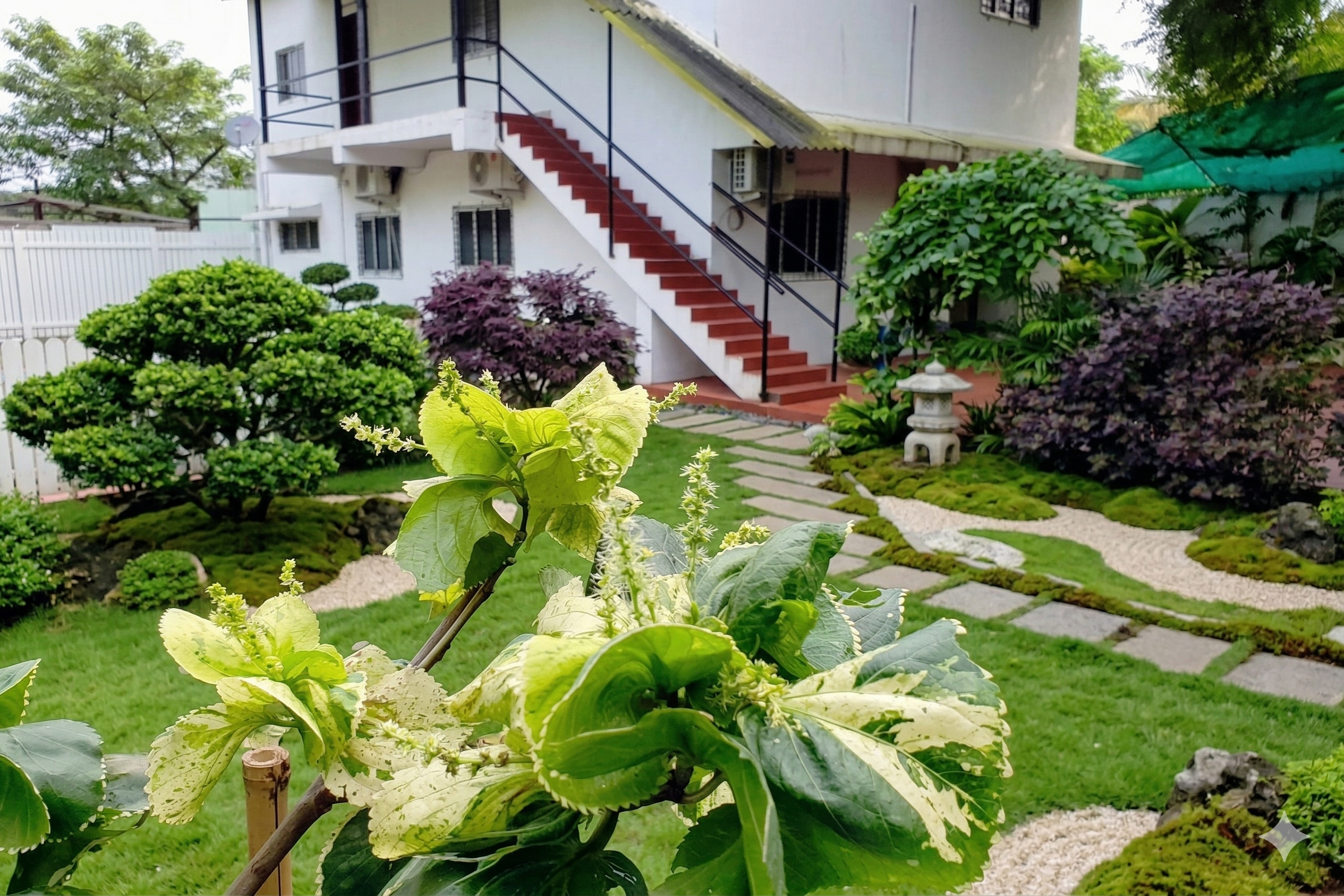
At centres like Second Street Rehabilitation Centre, this shift is intentional. The goal is not just restriction. It is recovery without constant interference.
Inpatient vs Outpatient Rehab: A Practical Comparison
| Factor | Inpatient Rehab | Outpatient Rehab |
|---|---|---|
| Environment | Fully controlled | Daily exposure to triggers |
| Medical Support | 24/7 supervision | Limited access |
| Structure | Highly structured routine | Flexible schedule |
| Relapse Risk (Early Stage) | Lower | Higher |
| Best For | Severe dependency | Mild to moderate cases |
1. The Power of a Controlled Environment
The biggest advantage of inpatient rehab is simple. It removes the triggers.
Physical Safety
There is no access to substances. That alone reduces early relapse risk significantly, especially in the first few weeks.
Routine and Structure
- Meals at fixed times
- Scheduled therapy
- Movement and activity
- Proper sleep cycles
It may seem basic. It is not. This is where stabilisation begins. Stepping away from pressure, conflict, or toxic relationships creates space. That shift is often the turning point.
2. 24/7 Medical Supervision: A Critical Advantage
Withdrawal is not just uncomfortable. In some cases, it can be dangerous. Patients may face severe anxiety, seizures, or heart-related complications. Because of these risks, it is essential to understand How to Safely Detox from Drugs under professional care.
Medical support is available at all times. Symptoms are managed. Risks are reduced. The process becomes safer and more controlled.
3. Intensive Therapeutic Immersion
Inpatient rehab creates an environment where recovery becomes the full-day focus. Professional care is especially vital when Understanding Professional Treatment for Alcohol Addiction, as the therapeutic needs are often complex.
- Cognitive Behavioural Therapy – helps interrupt harmful thought patterns
- Group Therapy – reduces isolation
- Family Therapy – repairs relationship damage
- Holistic Support – includes yoga, breathing, and nutrition
4. Peer Support: Breaking the Cycle of Isolation
Addiction often grows in silence. Recovery does not. Support systems such as Alcoholics Anonymous and SMART Recovery play an important role in long-term recovery.
5. Personalised Aftercare Planning
A strong aftercare plan may include sober living arrangements, continued therapy, structured outpatient support, and ongoing peer group participation.
6. What the Data Suggests About Success Rates
- Higher retention in inpatient programs
- Better outcomes with longer duration
- Lower early relapse risk
7. When Inpatient Rehab Is the Right Choice
- Severe dependency
- Repeated relapse
- Mental health concerns
- Unstable home environment
- High withdrawal risk
Frequently Asked Questions
Does inpatient rehab have higher success rates?
Yes, especially in severe cases.
How long should someone stay?
Typically 28 to 90 days.
Can relapse still happen?
Yes, but structured care reduces early risk.
The Bottom Line
The right environment does not just support recovery. It makes recovery possible.
Disclaimer: The information provided by Second Street Rehabilitation Centre is for educational purposes only and should not be considered medical advice. Always consult a qualified professional before making treatment decisions.